
Insights for Financial Advisors: Navigating Art Collection Transfers
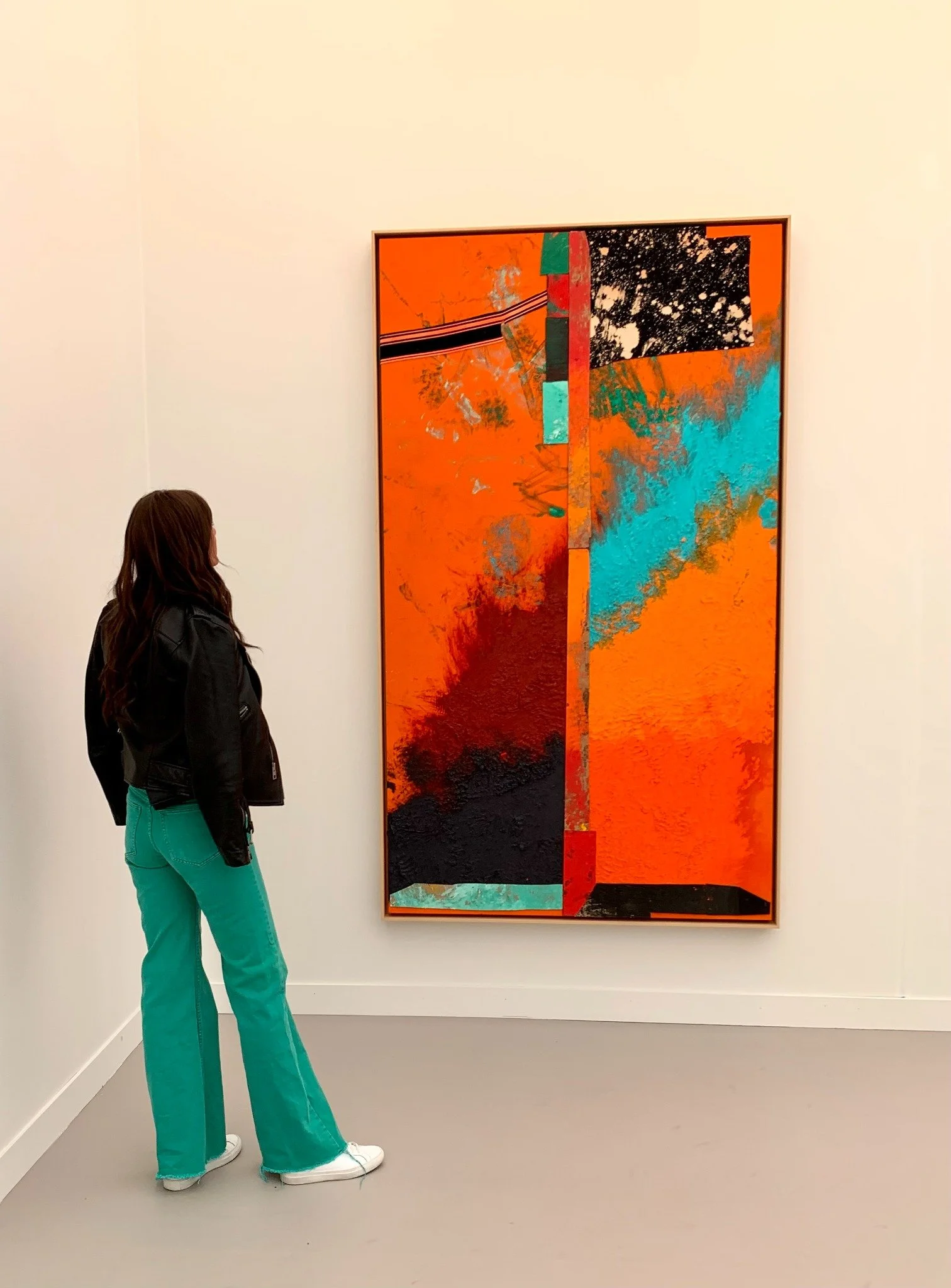
When a client plans to transfer a significant art collection, whether held individually, through a trust, or under a family foundation, questions of ownership, valuation, distribution, and ongoing responsibility come into focus.
Artwork raises considerations about market liquidity, provenance, condition, conservation needs, and potential restrictions on sale or transfer.
Financial advisors guide the broader wealth and estate-planning strategy, while art advisors bring specialized expertise in valuation, market strategy, and collection management. At Nova Art LA, our work alongside financial advisors, legal counsel, and fiduciary teams has highlighted several key considerations in navigating complex collection transfers.
Documentation and Valuation
A comprehensive collection inventory should identify each artwork and include acquisition records (such as invoices and bills of sale) and current appraisals. Depending on the artwork's history and acquisition method, additional documentation may include condition reports, authenticity records, exhibition history, and relevant contractual agreements.
For works acquired on the secondary market, provenance, prior ownership, and condition warrant particular attention. Identify gaps or restrictions that could affect future transfers or sales.
Insurance appraisals are commonly reviewed every 3–5 years, while estate, gift, and charitable transactions require valuations appropriate to their specific purpose and effective date.
An appraisal establishes value for a specific purpose, but it does not necessarily reflect what an artwork will realize at sale. Market demand and pricing are shaped by factors including provenance, condition, exhibition history, and comparable sales. Understanding these factors, along with the depth of the buyer market, is essential to assessing liquidity and potential sale proceeds.
Art Assets and Fiduciary Oversight
Art held in fiduciary accounts requires appropriate oversight, documentation, and risk management. In the United States, OCC Regulation 9 (12 CFR Part 9) governs fiduciary activities of national banks and federal branches of foreign banks, while other institutions and international jurisdictions operate under their respective regulatory frameworks.
Specialized art expertise supports fiduciary teams in several areas:
| Area | Art-specific considerations |
|---|---|
| Asset reviews | Assess valuations, condition, insurance coverage, and whether to retain individual works. |
| Acquisitions and sales | Evaluate liquidity, market opportunities, transaction terms, and appropriate sales channels. |
| Conflicts of interest | Identify potential conflicts involving dealers, buyers, or other parties and support independent assessments. |
| Ownership and records | Verify title, provenance, physical location, and custody arrangements. |
| Risk management and audits | Document assessments and recommendations to support governance, compliance, and audit readiness. |
Evaluating the Collection's Future
The appropriate approach depends on the client's objectives, ownership structure, and the collection itself. The client may retain individual works, transfer them to beneficiaries, donate them, or sell them, with different approaches applied across the collection.
Appraised values alone do not capture differences in liquidity, market prospects, maintenance requirements, or personal significance. Collections developed around a particular artist, movement, or collecting vision may also have historical or curatorial significance that informs decisions about retaining works together or transferring them individually.
Before making commitments, evaluate charitable gifts, institutional interest, acquisition policies, and conditions of acceptance.
A Practical Scenario: An Art Collection Held in Trust
Consider a trust holding a significant collection of modern and contemporary art. Several beneficiaries wish to retain selected works, while others prefer liquidity.
The financial advisor and art advisor work together to evaluate the collection's appraised values, marketability, and ownership costs. The art advisor assesses which works are suitable for retention or sale, identifies appropriate sales channels, and evaluates the timing and market implications of proposed transactions.
These findings inform the fiduciary team's decisions about distributions, potential sales, and the ongoing management of the remaining collection.
Long-Term Stewardship
Transferring an art collection requires planning for ongoing care and associated costs, including insurance, conservation, specialized storage, transportation, and installation.
The condition, materials, and conservation needs of individual works determine appropriate handling and storage arrangements, as well as the resources required to preserve their condition and value.
Bringing It All Together
Transferring a significant art collection requires coordination across financial, legal, and art-specific disciplines. Bringing these perspectives together helps ensure that decisions are carefully evaluated, properly documented, and aligned with the collector's intentions—while protecting the collection's value for the future.
© Nova Art LA, LLC